Fitness
Protein-Rich Snacks for Fitness & Athletes – Recovery Guide
2026-03-31 - 13 min read
By Diet Ethics Fitness Nutrition Expert · Reviewed by Diet Ethics Sports Nutrition Team · Updated 2026-03-31

Why Protein Timing Matters for Fitness Results
Post-workout nutrition windows (30-90 minutes after exercise) are critical for muscle repair and synthesis. Adequate protein intake during this window supports recovery, reduces muscle breakdown, and optimizes training adaptations.
Unlike supplements requiring additional spending or preparation, premium dry fruits provide whole-food protein with accompanying micronutrients that support recovery more comprehensively than protein powders alone.
Protein Content Comparison: Nuts vs Seeds
Facts
- Pumpkin Seeds (Premium): 9g protein/ounce – dense, complete amino acid profile including BCAA for muscle support.
- Peanuts (legume, often grouped): 7g protein/ounce – lowest tech but effective and accessible (often overlooked).
- Almonds (Californian): 6g protein/ounce – solid addition with vitamin E antioxidant protection for post-workout recovery.
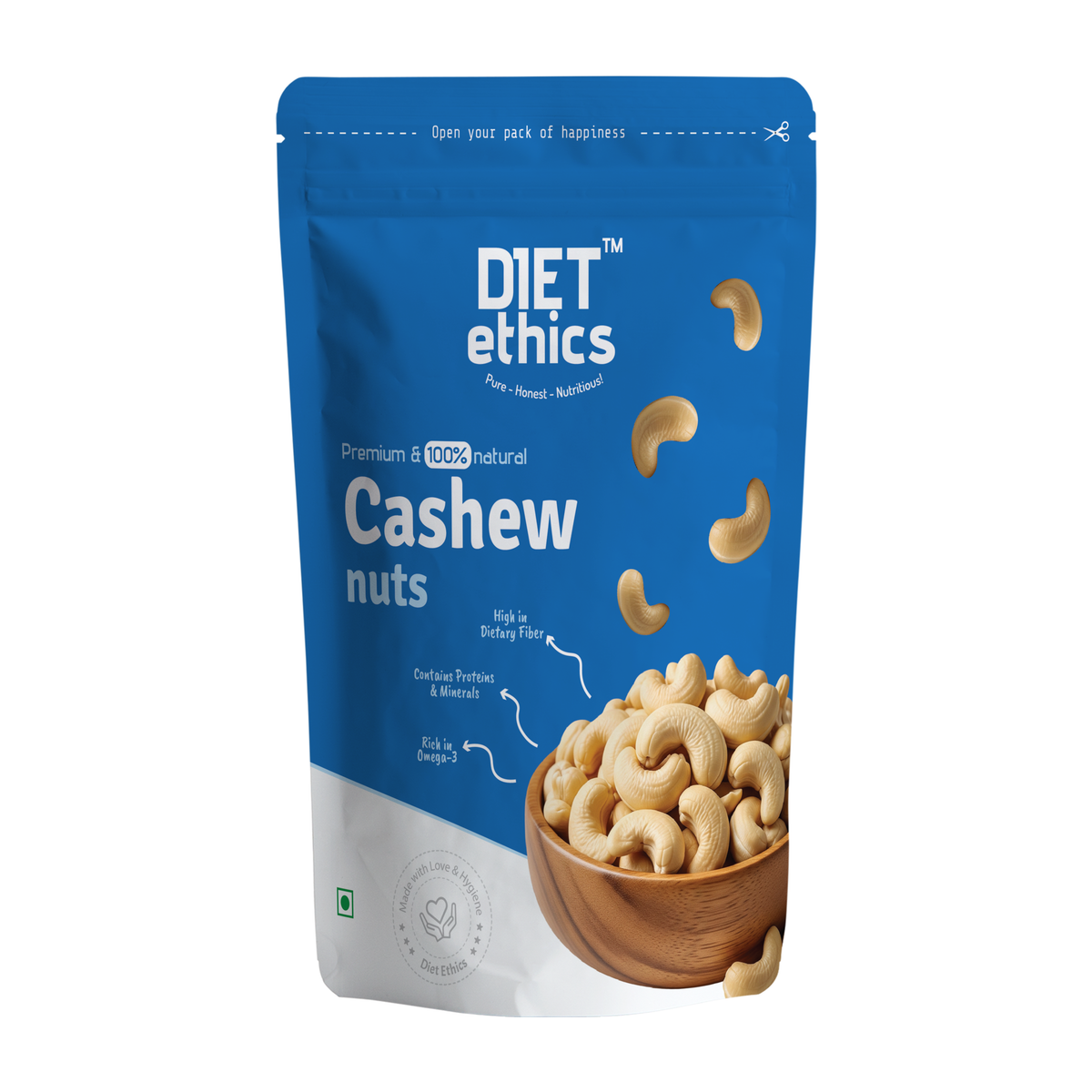
- Cashews (Whole): 5g protein/ounce – creamy texture aids satiety, lower protein but good mineral support.
- Walnuts (Chilean): 4g protein/ounce – lower absolute protein but omega-3 content supports inflammation management during recovery.
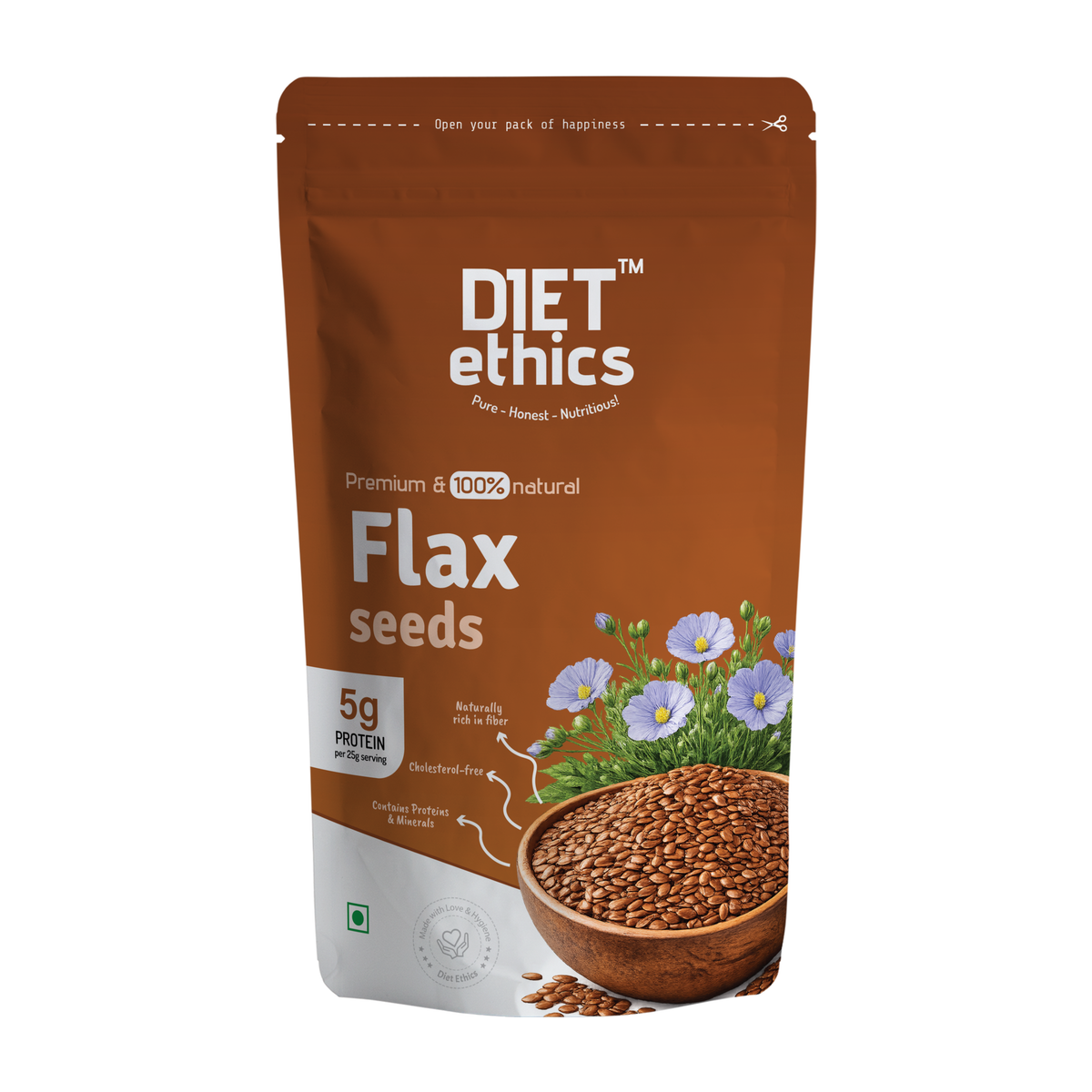
- Flax Seeds (Premium): 6g protein per 3 tablespoons – includes omega-3, fiber, and soluble carbohydrates for glycogen support.
- Chia Seeds (Premium): 3g protein/ounce – complete amino acids, though lower absolute content. Hydration support during recovery.
Optimal Post-Workout Snack Combinations
Tips
- Minimal Recovery Window (30min post): Pumpkin seeds (9g protein) + dried fruit (carbs) = rapid amino acid availability + glycogen support.
- Extended Window (45-90min post): Pumpkin seeds (9g) + almonds (6g) + walnut (4g) = 19g total protein + balanced nutrition recovery.
- High-Volume Training: Pumpkin seeds (18g) + flax seeds (6g) = 24g protein + anti-inflammatory support for recovery.
- Endurance Recovery: Almonds (12g) + dried dates (carbs) = moderate protein + rapid carbohydrate replenishment for glycogen resynthesis.
- Lean Muscle Focus: Pumpkin seeds (18g) + chia (3g) + almonds (6g) = 27g protein + mineral support for muscle function.
- Daily Supplementation: 1/4 cup pumpkin seeds + 1 tablespoon flax = 15g protein snack mid-morning/afternoon for sustained muscle support.
- Travel/Portable: Pre-mixed bags of pumpkin seeds + almonds + raisins = convenient, shelf-stable, travel-friendly recovery nutrition.
Macronutrient Optimization for Fitness Goals
Facts
- Muscle Building: Emphasize pumpkin seeds (9g protein), almonds (6g), and cashews (5g) for consistent amino acid delivery.
- Fat Loss: Pumpkin seeds for satiety support + almonds for sustained energy + minimal carbs from fruit.
- Endurance Support: Almonds + walnuts for sustained energy + dried fruit for rapid carbohydrate refueling post-workout.
- Strength Training: High pumpkin seed content (9g protein/ounce) supports muscle protein synthesis required for strength adaptation.
- Body Recomposition: Combine high-protein seeds with moderate-carb dried fruits + vitamin E-rich almonds for muscle support + metabolic recovery.
- Pre-Workout: Light almonds + dried dates 30min before workout provides stable energy without digestive stress.
- Intra-Workout: Not necessary for workouts under 90min, but extended training benefits from light carbohydrate + electrolyte support.
Amino Acid Profile Optimization
Facts
- BCAA Support (Pumpkin Seeds): Branched-chain amino acids are especially important for muscle building. Pumpkin seeds provide concentrated BCAA profile.
- Complete Proteins: Chia and pumpkin seeds contain all 9 essential amino acids – rare among plant sources.
- Limiting Amino Acids: Most nuts are lower in leucine (critical for muscle protein synthesis). Combine multiple sources or supplement with complete proteins.
- Synergistic Pairing: Combining nuts with legumes (rare in dry form) or whole grains improved complete amino acid profile.
- Timing Consideration: Whole food absorption slower than shakes (30-90min vs. 20-30min) – plan snack timing accordingly.
- Quality Variation: Freshness and storage significantly impact amino acid stability – purchase from reputable sources with good turnover.
Hydration & Electrolyte Support During Recovery
Tips
- Chia Seed Advantage: Absorb 10-15x weight in water, supporting internal hydration during critical recovery window.
- Mineral Content: Magnesium (almonds, pumpkin seeds) supports muscle relaxation and recovery. Zinc (pumpkin seeds) supports immune function post-exercise.
- Carbohydrate Importance: Pair protein with dried fruits (dates, raisins) for glycogen replenishment – critical for recovery completeness.
- Sodium Consideration: High-sweat athletes may benefit from lightly salted nuts for sodium replacement lost during extended training.
- Full Hydration Strategy: Combine dry fruit snacks with adequate water intake (500ml per snack serving) for comprehensive recovery support.
Practical Daily Integration for Athletes
Tips
- Pre-Workout (30min before): 1 ounce almonds + small handful raisins = stable energy without digestive burden.
- Immediate Post-Workout (within 30min): 1/4 cup pumpkin seeds + 1/4 cup dried dates = rapid protein + carbs for recovery.
- Secondary Post-Workout (60-90min): Larger snack with almonds, cashews, walnuts + whole grain bread = complete meal-replacement recovery.
- Daily Maintenance: 1 ounce mixed nuts 2-3x daily for consistent amino acid availability throughout training cycle.
- Rest Day Nutrition: Full snack portions to support adaptations during recovery days when training volume reduces.
- Competition Prep: Familiar snacks 1-2 hours pre-competition. Avoid unknown foods during training periodization.
Common Mistakes Fitness Enthusiasts Make
Tips
- Ignoring carbs in recovery – protein alone insufficient. Include dried fruits for glycogen resynthesis.
- Poor timing – outside recovery window effectiveness drops significantly. Prioritize within 90min post-workout.
- Insufficient quantity – single almond handful doesn't provide adequate protein. Plan for 15-20g post-workout servings.
- Only protein focus – ignore micronutrient needs. Nuts provide valuable minerals (Mg, Zn, Se) critical for recovery.
- Expired/stale products – nutrient profiles degrade with age. Purchase fresh from high-turnover suppliers.
- Not combining sources – single nut variety limited amino acid profile. Combine 2-3 types for complete nutrition.