Nutrition
Chia & Pumpkin Seeds Superfood Benefits – Complete Nutrition Guide
2026-03-30 - 13 min read
By Diet Ethics Nutrition Expert · Reviewed by Diet Ethics Nutrition Desk · Updated 2026-03-30

Why Seeds Are Nutritional Powerhouses
Seeds are nature's concentrated nutrition packages. Chia and pumpkin seeds deliver exceptional nutrient density in tiny portions – roughly equivalent to quality-grade nuts in nutritional bang-for-buck but with unique nutrient profiles.
Unlike many superfoods that require excessive consumption or specialized cuisine, chia and pumpkin seeds integrate seamlessly into everyday meals – smoothies, bowls, salads, and snacks – making them practical for sustained usage.
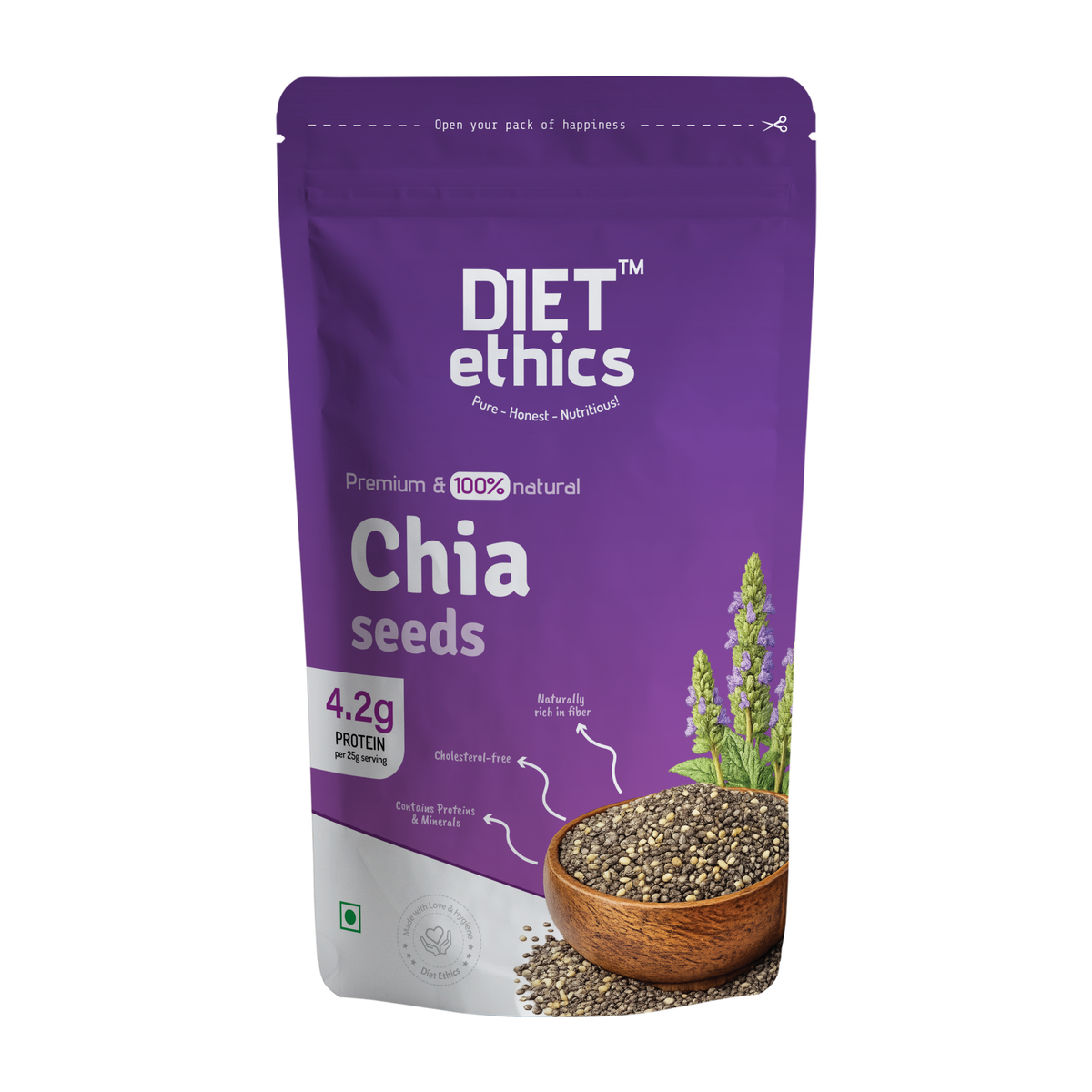
Chia Seeds: Complete Nutrient Profile
Facts
- Omega-3 Powerhouse: 5 grams omega-3 per ounce (comparable to salmon on weight basis) – plant-based alternative for vegetarians.
- Complete Protein: All 9 essential amino acids present, making them rare plant-based protein source for vegans.
- Hydration Specialist: Absorb 10-15x weight in water, supporting hydration and satiety. Unique because of soluble fiber properties.
- Fiber Density: 10 grams fiber per ounce supports digestive wellness and healthy gut microbiome.
- Antioxidant Rich: Polyphenols and flavonoids protect cells from oxidative stress and inflammation.
- Mineral Loaded: Magnesium (relaxation), calcium (bone), phosphorus (energy) – comprehensive micronutrient support.
- No Preparation Needed: Unlike flax, chia seeds are bioavailable whole – no grinding required.
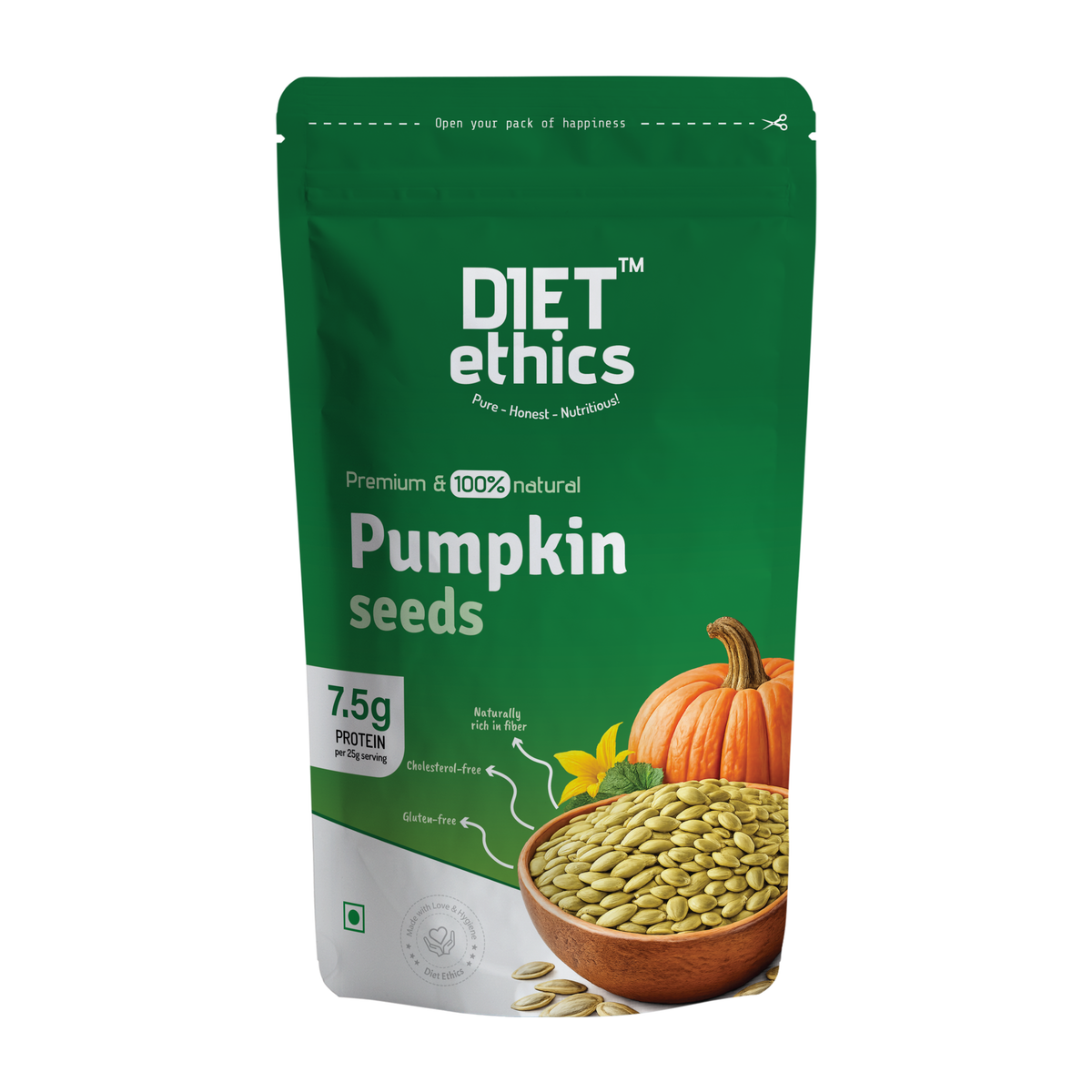
Pumpkin Seeds: Immune-Support Specialist
Facts
- Zinc Concentration: 8mg per ounce (40%+ DV) – unmatched among seeds. Critical for immune function, especially in men over 40.
- Plant-Based Protein: 9g protein per ounce – comparable to nuts, supports muscle recovery and satiety.
- Magnesium Magic: 37% daily value in one ounce – supports sleep quality, stress management, and muscular function.
- Antioxidant Arsenal: Carotenoids and polyphenols combat inflammation and cellular damage.
- Seed Oil Benefits: Unique unsaturated fat profile (linoleic acid) supports cardiovascular wellness.
- Hormone Harmony: Compound evidence suggests phytosterols support hormonal balance (especially in women).
- Prostate Health: Zinc and other compounds show preliminary support for prostate function in aging men.
Head-to-Head Comparison: When to Use Which
Tips
- For Hydration & Energy: Choose chia – absorbs water, hydrates internally, supports satiety through gel formation.
- For Immune Boost: Choose pumpkin – zinc concentration unmatched for immune function support.
- For Plant Protein: Both excellent – chia has complete amino acids, pumpkin has higher absolute protein density.
- For Digestion: Chia superior – soluble fiber creates gel that supports healthy digestive transit.
- For Sleep Quality: Pumpkin superior – magnesium content directly supports relaxation and sleep onset.
- For Anti-Inflammation: Chia superior – omega-3 to omega-6 ratio more favorable for inflammation management.
- For Taste & Texture: Pumpkin superior – bold nutty flavor, satisfying crunch. Chia more neutral, texture depends on preparation.
Daily Integration Strategies
Tips
- Smoothies: 1 tablespoon chia or 2 tablespoons pumpkin seeds in morning smoothies seamlessly blends without taste change.
- Overnight Bowls: Chia maintains texture overnight and creates natural pudding-consistency. Great for meal prep.
- Breakfast Toppers: Sprinkle pumpkin seeds on oatmeal, yogurt, or granola for immediate crunch and nutrition boost.
- Salad Nutrition: Pumpkin seeds add satisfying texture to salads while amplifying nutrient density.
- Smoothie Bowls: Layer chia underneath and pumpkin on top for visual appeal, texture contrast, and comprehensive nutrition.
- Direct Snacking: Both work well as portable snacks. Pre-portion into small jars for convenience.
- Baking Integration: Add both to homemade energy bars, granola, and bread for whole-food nutrition.
Health Conditions Where These Seeds Shine
Facts
- Inflammation Management: Omega-3 content (chia) and antioxidants (both) reduce systemic inflammation naturally.
- Weight Management: Satiety support through fiber (chia) and mineral density reduces unnecessary snacking.
- Sleep Issues: Magnesium content (especially pumpkin) supports relaxation and sleep onset naturally without supplements.
- Digestive Wellness: Soluble fiber (chia) supports healthy digestive transit and microbiome.
- Immune Function: Zinc (pumpkin) and antioxidants (both) strengthen immune response and recovery.
- Hormonal Balance: Zinc (pumpkin) and mineral density (both) support hormonal health across lifespan.
- Energy Stability: Complete nutrients prevent blood sugar spikes, supporting sustained energy throughout day.
Dosage & Safety Guidelines
Tips
- Chia Seeds: Start with 1 tablespoon daily, increase gradually to 2-3 tablespoons. Must consume with adequate water due to hydration needs.
- Pumpkin Seeds: 1/4 cup (approximately 30g/100 calories) daily as adequate serving. More doesn't guarantee better results.
- New Users: Begin small (1 teaspoon) and observe digestion for 3-4 days before increasing quantities.
- Hydration Critical: Chia's hydration property means increased water intake is essential – undershooting water leads to constipation.
- Medication Interactions: Consult healthcare provider if on blood thinners (omega-3 interaction) – chia may amplify effects.
- Whole Foods Approach: Consistent moderate intake superior to sporadic high quantities. Routine > volume.
Quality Sourcing & Storage
Tips
- Source Verification: Look for organic certification and transparent sourcing information – these seeds absorb soil properties readily.
- Storage Excellence: Airtight containers, cool/dry location, away from sunlight. Properly stored chia/pumpkin lasts 4-6 months.
- Freshness Indicators: Smell should be neutral (not rancid). Taste should be mild-sweet (chia) or nutty (pumpkin).
- Purchase Quantity: Buy smaller amounts (200-300g) monthly vs. large bulk – ensures freshness and prevents pantry waste.
- Vendor Reputation: Premium suppliers show consistent quality, clear labeling, and transparent sourcing info.